Foreign Affairs
Tackling healthcare labour shortages while ensuring quality jobs
By Editorial Staff
The European Parliament held a discussion in Strasbourg to talk about an increasingly urgent issue: labour shortages in the healthcare sector and the need to ensure quality jobs. The debate, titled “Commission Statement – The Need to Address Urgent Labour Shortages and Ensure Quality Jobs in the Health Care Sector,” highlighted the pressing challenges faced by healthcare systems across Europe and the strategies required to address them.
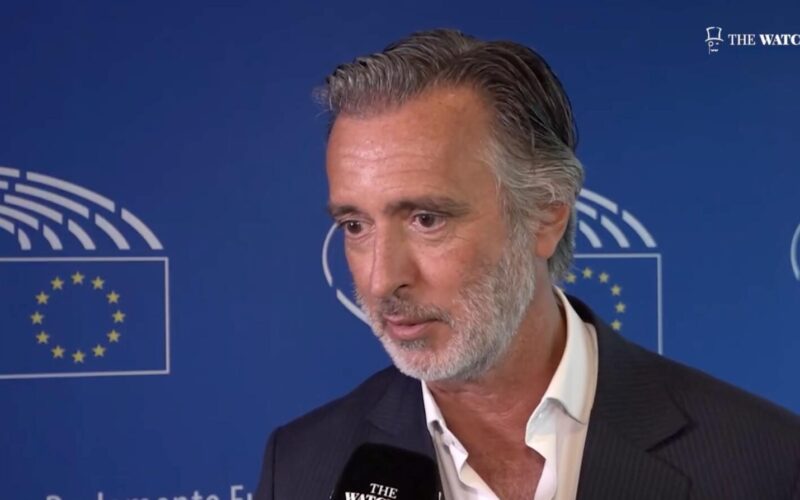
Among the notable voices in the discussion, several MEPs emphasized the role of investment, innovation, and policy reform in tackling this crisis. Croatian MEP Tomislav Sokol (EPP) underscored the necessity of increased funding in healthcare, not only to expand the workforce but also to invest in research, development, and modern infrastructure. He stressed the importance of equipping health systems with state-of-the-art technology, particularly artificial intelligence, to enhance efficiency and improve patient outcomes, stating, “More money for health means increasing the number of health workers, through investment in research and development, infrastructure, but also the equipment of health systems in the most modern devices in times when artificial intelligence is becoming more and more important.”
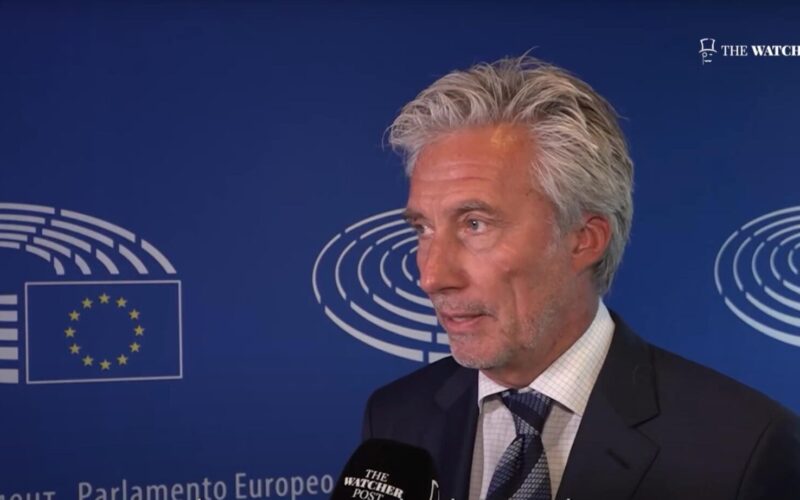
Belgian MEP Olivier Chastel (Renew) provided a stark overview of the crisis, noting that Europe faces a shortage of 1.2 million healthcare professionals, including doctors and nurses. He attributed this deficit to factors such as an aging population, poor working conditions, and exhausted caregivers. According to Chastel, “We need a strong European response. Strengthen training and improve working conditions. Innovation, especially artificial intelligence, can be a real opportunity to speed up certain procedures, including screening, but also to alleviate the administrative burden on the shoulders of our caregivers to free up medical time to focus on care and patients.”
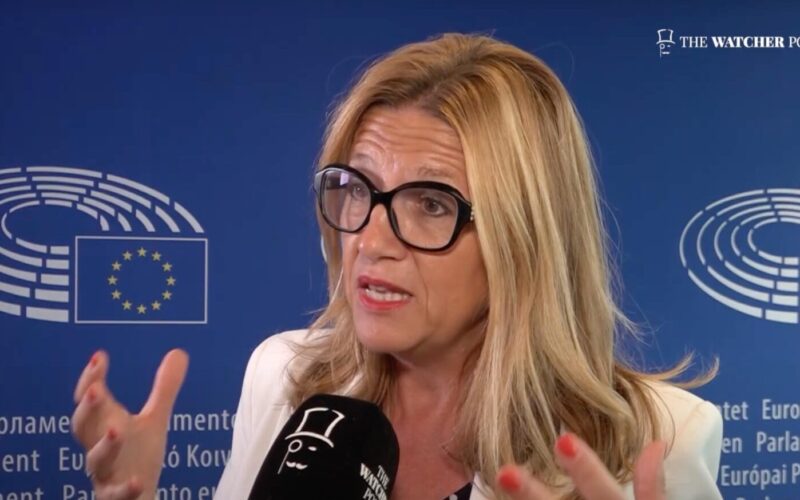
French MEP Malika Sorel (PfE) proposed bold reforms to accelerate the training of healthcare professionals, which currently ranges from five to ten years depending on the country. She highlighted artificial intelligence as a transformative force in the sector, calling for an increased emphasis on medical and engineering careers over social sciences. Additionally, she urged policymakers to reduce bureaucracy, lower training costs, and delegate more administrative tasks to optimize the efficiency of healthcare professionals. “Shorten the training of doctors ranging from 5 to 10 years, depending on the country, and integrate artificial intelligence, which will revolutionize the sector,” Sorel asserted.
German MEP Dennis Radtke (EPP) echoed the call for technological expertise in the healthcare workforce, emphasizing the need for professionals trained in artificial intelligence and programming. His remarks reinforced the idea that future healthcare solutions will depend heavily on the intersection of technology and medicine, stating, “We need professionals who are familiar with artificial intelligence, who can program, who can do all kinds of things.”
The debate in the EP made it clear that Europe must act swiftly to address healthcare labour shortages. While investment in infrastructure and workforce expansion is crucial, innovation and regulatory reforms will also play a decisive role in shaping the future of healthcare. With political will and strategic action, Europe has the opportunity to build a more resilient and efficient healthcare system, ensuring high-quality care for all its citizens.
Related posts

by Paolo Bozzacchi | 28 November 2025
OPINION – Brexit proves the UK was better off in the EU

by Arianna De Stefani | 28 November 2025
Digital safety for kids takes EU floor