News
Roundtable Strikes Chord as EU Opens Digital Fairness Consultation
By Editorial Staff
BRUSSELS — A timely and high-level roundtable co-hosted by The Watcher Post EU brought together EU lawmakers, digital platforms and consumer advocates to tackle one of the thorniest topics in today’s data-driven world: personalization.
Personalization at a Crossroads
In today’s digital world, personalization is ubiquitous. From the ads we see to the content we consume, every click, scroll, and purchase is quietly shaped by algorithms built to read and anticipate our preferences. The experience is often seamless, sometimes helpful, yet increasingly opaque.
As personalization technologies grow smarter, so too do the risks. What once felt convenient now raises questions about transparency and consumer autonomy.
Enter the Digital Fairness Act
The European Commission’s Digital Fairness Act (DFA) — expected to be tabled in mid-2026 — seeks to address these very concerns. Following the broader regulatory groundwork laid by the Digital Services Act (DSA) and the Digital Markets Act (DMA), it narrows the focus to the individual consumer experience and how users interact with digital platforms.
The DFA’s foundation lies in the Commission’s “fitness check” report of EU Consumer Law, published in October 2024, which assessed whether existing EU rules are still “fit” for a hyper-personalized world. The short answer? es and no.
A Timely Roundtable
Co-hosted on July 16 by Euroconsumers and Google through their Consumer Empowerment Project (CEP)in partnership with The Watcher Post EU, the closed-door roundtable titled “Keep Personalization Fair: Balancing Innovation and Consumer Protection” marked the second edition of the CLAx Series on Exploring Digital Fairness.
Far from coincidence, the session felt less like a discussion and more of a prelude to policy, offering a timely moment for candid debate just hours before public feedback officially opened.
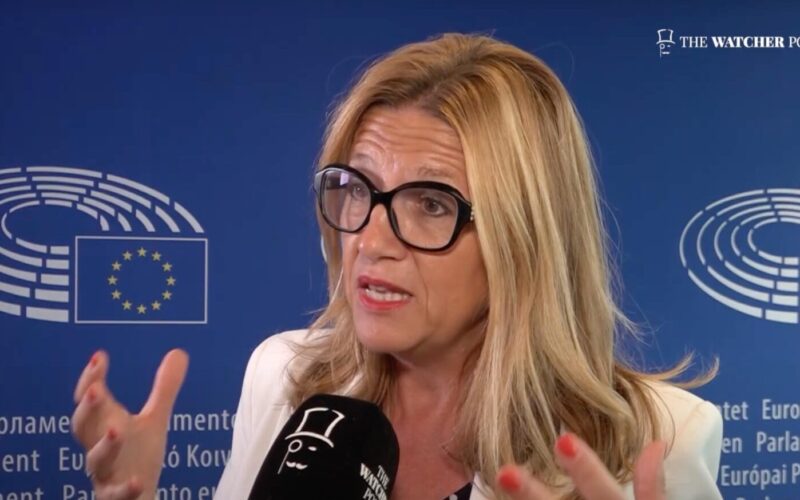
Keynotes came from Aura Salla (MEP, EPP) and Maria-Myrto Kanellopoulou (DG JUST, European Commission), who each set the tone from a different angle but with a fil rouge: the goal is not to halt personalization, but to redefine its boundaries more clearly and fairly.
Around the table were experts and representatives from across the digital ecosystem including Meta, YouTube, Uber, Mozilla, Snap, CCIA Europe, IAB Europe, the Brussels Privacy Hub, Euroconsumers, and more.
Participants reflected on where we should draw the line between helpful customization and harmful manipulation.
The need for meaningful choice, transparency, and accountability was a shared concern among the guests.
What’s Next?
With the Commission’s consultation now underway, the conversation is shifting from closed-door discussions to the regulatory arena.
Stakeholders — from tech companies and consumer groups to regulators and everyday users — are being called to have their say. Is the EU doing enough to protect consumers ? If not, what should change?
As the CLAx Series continues with another roundtable scheduled in the fall, these valuable moments of exchange will keep feeding directly into the shaping of future legislation. What emerged on July 16 was not just a policy debate, but a deeper reflection on how to rebuild consumer trust in the digital marketplace.
The question at the heart of the discussion — how to keep personalization fair — will likely define the next phase of Europe’s digital regulatory journey.
And at this time, the EU isn’t just watching. It’s asking.


Related posts

by Paolo Bozzacchi | 28 November 2025
OPINION – Brexit proves the UK was better off in the EU

by Arianna De Stefani | 28 November 2025
Digital safety for kids takes EU floor