The Equal Treatment Directive is back on the table
After 17 years in stalemate, the EU’s proposed Equal Treatment Directive has returned to the political arena.
Originally tabled in 2008, the proposal aimed to harmonize anti-discrimination laws across the EU by guaranteeing equal access to education, social rights, goods, services, and protection from all forms of discrimination.
The directive stalled after failing to secure unanimous approval in the Council, with Germany, Italy and Czechia continuing to oppose the current draft compromise. By late 2024, the European Commission relegated the file to potential withdrawal in its 2025 work program, citing lack of progress.
In a political about-face as a result of sustained pressure from the European Parliament, numerous Member States, and civil society actors, the Commission reversed its stance, signalling its willingness to save the directive. Now it’s up to the Danish presidency to pave the way to an agreement.
Commission’s take
Commissioner for Equality Hadja Lahbib had hinted for months that the door was not entirely closed.
While Brussels questioned the feasibility of an agreement, the directive’s goals remained on the Commission’s priority list for the new term. Strong support from MEPs and a significant number of Members in the Council ultimately tipped the balance.
Parliament’s push
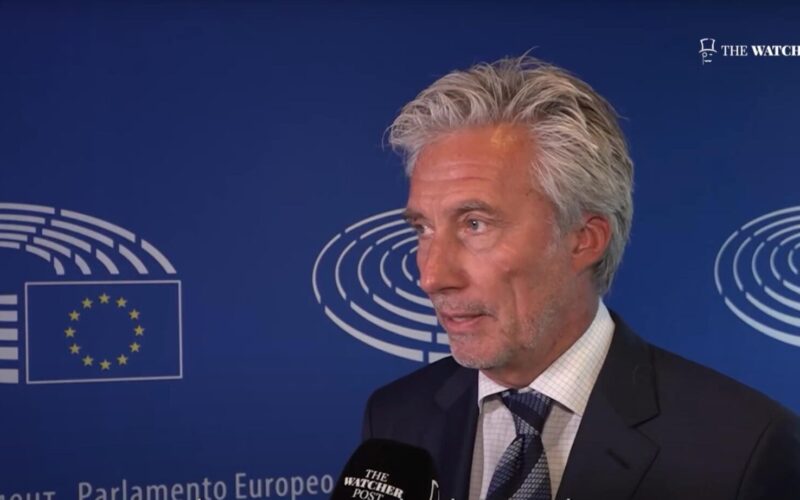
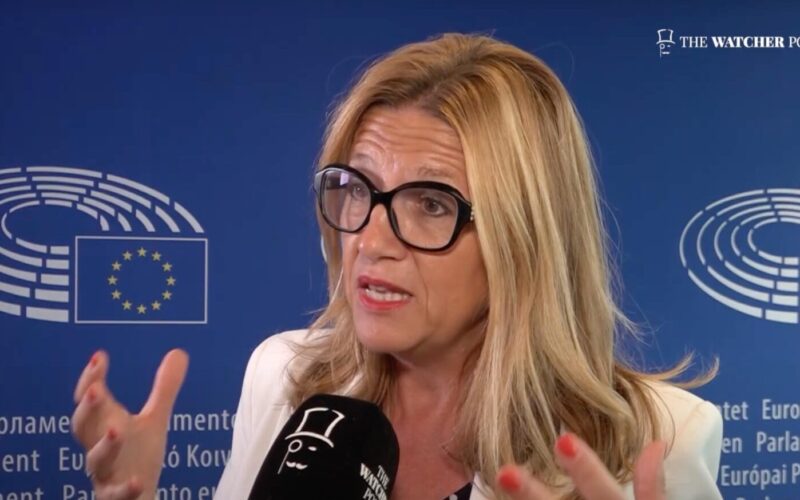
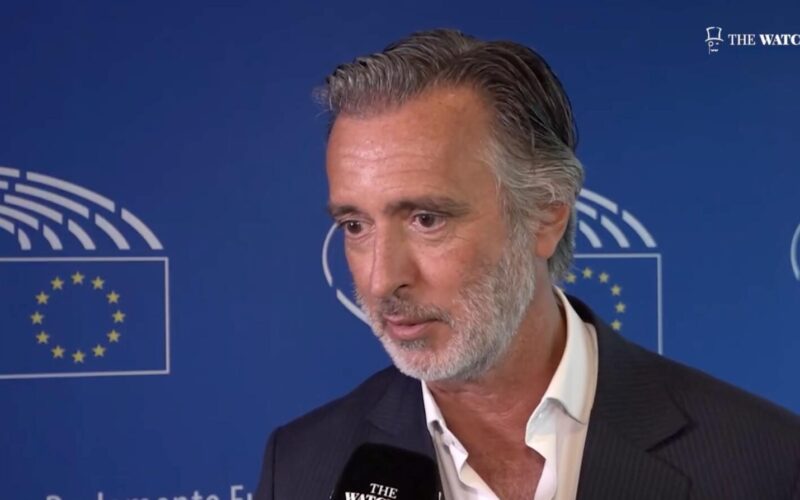
Discussions with Commissioner Lahbib were held in both the FEMM and LIBE Committees, where MEPs strongly advocated for saving the directive. Following the latest developments, MEPs Alice Bah Kuhnke (Greens) and Maria Walsh (EPP) praised the reversal as a win for cross-party teamwork.
Council’s challenge
The Danish Presidency — in office since 1 July — has pledged to break the deadlock.. Recognizing the relevance of the directive, the file is now slated for discussion at the next EPSCO Council in December. Germany, Italy, and Czechia remain dubious, arguing that existing national laws already provide sufficient protection.
Civil society’s role
NGOs reacted with strong criticism when the Commission initially intended to withdraw the Equal Treatment Directive. Equality networks, disability groups, LGBTIQ+ organisations, and anti-racism advocates called it a betrayal of EU values and a political gamble at a time of rising discrimination.
Through joint statements, and coordinated advocacy, civil society helped shift the political narrative.
Ultimately, organizations welcomed the Commission’s decision to keep the Directive alive. They labeled it a victory for collective action, while stressing this is only the first step.
Revive or rewrite?
The political resurrection of the Equal Treatment Directive raised an awkward question: after nearly two decades of political stalling, is resuscitation the right move? Supporters would argue that the groundwork is laid and momentum is on their side. Skeptics would counter that another Council impasse could waste years and delay protection for those who need it most.
The choice now lies between pressing on with a long-fought — but politically scarred — proposal, or scrapping it in favour of something new. Either way, it’s a delicate balance and the clock is ticking.
Related posts

by Paolo Bozzacchi | 28 November 2025
OPINION – Brexit proves the UK was better off in the EU

by Arianna De Stefani | 28 November 2025
Digital safety for kids takes EU floor