Innovation
The Future of European Tech Sovereignty: Key Takeaways from the ITRE Committee Meeting
By Editorial Staff
The ITRE Committee held a structured dialogue with Henna Virkkunen, the European Commission’s Executive Vice-President for Tech Sovereignty, Security, and Democracy. The discussion highlighted Europe’s digital ambitions, including AI, cloud computing, cybersecurity, and regulatory frameworks aimed at strengthening the continent’s technological independence.
The Push for AI and Digital Innovation
Virkkunen emphasized the EU’s need to become a global leader in AI and frontier digital technologies. She outlined several major initiatives, including the Cloud and AI Development Act, which aims to enhance computing infrastructure by integrating cloud computing with high-performance computing. The Act also seeks to streamline investment procedures and improve access to finance, land, and energy.
A key development in AI investment is the launch of AI factories under the EuroHPC joint undertaking, which involves 15 member states and two associated countries. With an initial 1.5 billion euros in funding, these factories will provide computing power for SMEs, startups, and researchers, addressing a major bottleneck in AI development: access to high-performance computing.
Regulatory Challenges and European Competitiveness
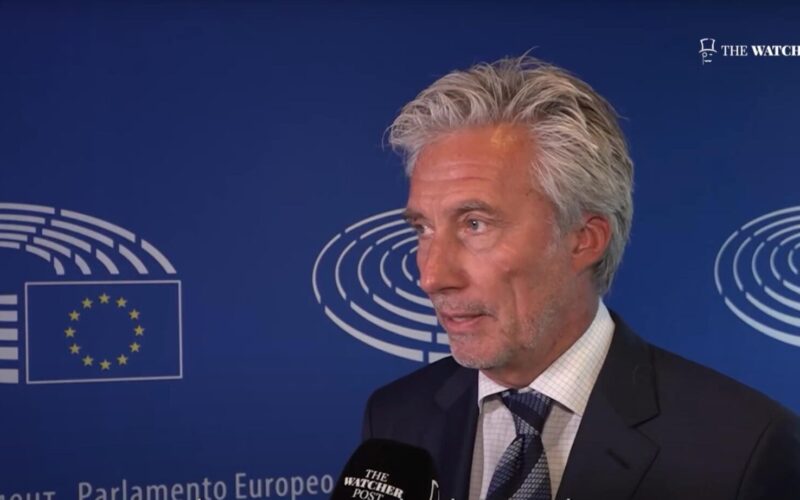
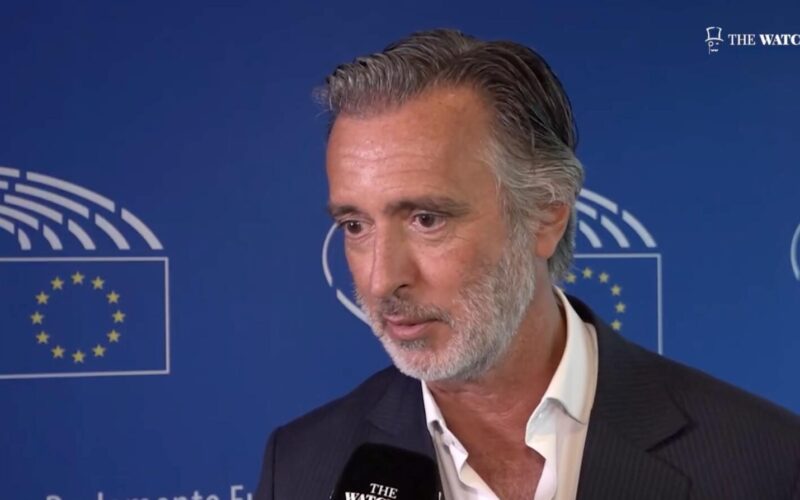
Several MEPs raised concerns about Europe’s position in the AI and cloud computing markets, particularly in relation to U.S. and Chinese competition. Christian Ehler (EPP, Germany) questioned whether the EU’s focus on sovereignty could hinder competitiveness rather than enhance it. Similarly, Sean Kelly (EPP, Ireland) noted the disparity in private AI investment, highlighting the U.S.’s 67 billion dollars in AI funding compared to Europe’s significantly lower figures.
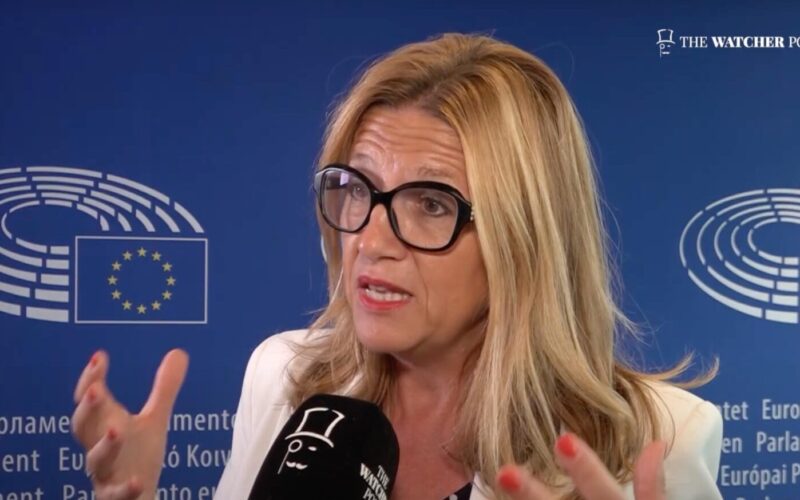
Dan Nica (S&D, Romania) and Andras Laszlo (PfE, Hungary) questioned how the EU plans to foster a digital industry that is genuinely European, rather than relying on foreign tech giants. Virkkunen responded by stressing the importance of regulation that encourages investment while ensuring fair competition within the EU market.
Cybersecurity and Digital Regulation
Cybersecurity was another focal point of the discussion. Virkkunen underscored the importance of the EU’s cybersecurity framework, particularly in light of rising cyber threats. She referenced the recent European Action Plan on Cybersecurity for Hospitals and Healthcare Providers, as well as the forthcoming revision of the Cybersecurity Act and ENISA mandate.
Concerns were also raised about social media regulation. With platforms like Meta modifying their fact-checking policies and concerns about disinformation affecting elections, MEPs including Nicolae Ștefănuță (Greens, Romania) and Alexandra Geese (Greens, Germany) stressed the need for stronger enforcement of the Digital Services Act (DSA). Virkkunen reassured the committee that platforms remain obligated under the EU’s Code of Conduct on Disinformation, and that transparency in algorithmic content recommendations remains a priority.
The Path Forward
Virkkunen acknowledged that while the EU has made progress in digital innovation, there is still a long road ahead. She reiterated that the success of initiatives like the Cloud and AI Development Act and the Digital Networks Act depends on collaboration between regulators, industry leaders, and member states.
As Europe navigates the evolving digital landscape, the balance between sovereignty, competitiveness, and regulation will shape the continent’s ability to become a leader in AI and digital technology. The discussions at the ITRE meeting underscore the EU’s ambition, but also the challenges that remain in achieving true technological independence.
Related posts

by Paolo Bozzacchi | 28 November 2025
OPINION – Brexit proves the UK was better off in the EU

by Arianna De Stefani | 28 November 2025
Digital safety for kids takes EU floor