EU Policy / News
Von der Leyen’s “Independence Moment” faces reality check
By Editorial Staff
BRUSSELS – European Commission President Ursula von der Leyen delivered a high-stakes State of the Union on Wednesday. Her address was meant to signal Europe’s bold leap toward independence and solidarity, yet it revealed deep political fractures running through Europe.
Speaking to Parliament, Von der Leyen struck a balance of urgency and ambition, pledging support for Ukraine’s fight for freedom, pushing for technological and energy sovereignty, and promising a more social Europe with affordable housing and stronger protections for workers.
She backed her rhetoric with several concrete measures, including a new Drone Alliance with Ukraine, the launch of a European AI gigafactory network, and a European Media Resilience Programme to combat disinformation.
Also addressing the digital and social media landscape, Von der Leyen advocated for stronger protections for children online and stressing the need for parent-led oversight over algorithms.
A harder line on Gaza
Von der Leyen broke new ground by proposing EU sanctions on extremist Israeli ministers and calling for the suspension of trade preferences with Israel, a sharper position than the Commission has taken in months. She urged immediate humanitarian aid and reaffirmed Europe’s commitment to a two-state solution, drawing applause from Greens but reopening rifts among member states.
Her remarks came as world leaders gather in New York for the opening of the 80th United Nations General Assembly, where the conflict is set to dominate debate.
Reactions from the chamber
At several points, audible boos echoed through the chamber. Von der Leyen paused, raised her eyebrows, and offered a knowing smile before pressing on.
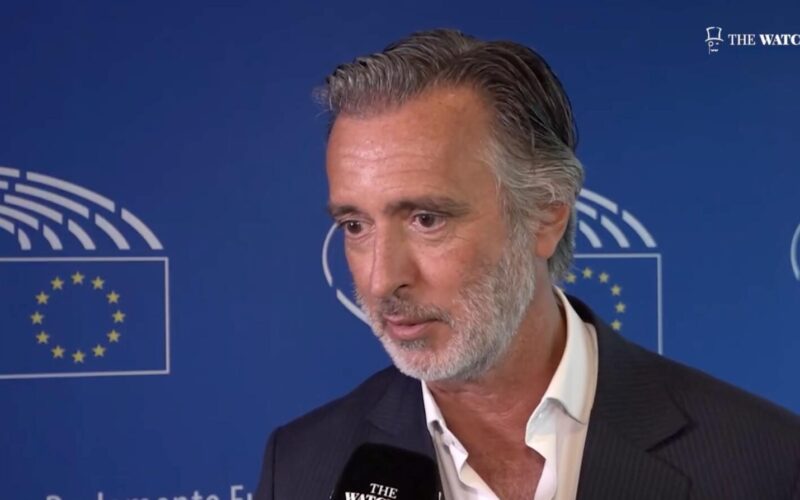
The center-right EPP hailed her call for strong European leadership and unity in challenging times. Social Democrats stressed that ambition must be matched with budget commitments for social housing, paid internships, and gender equality.
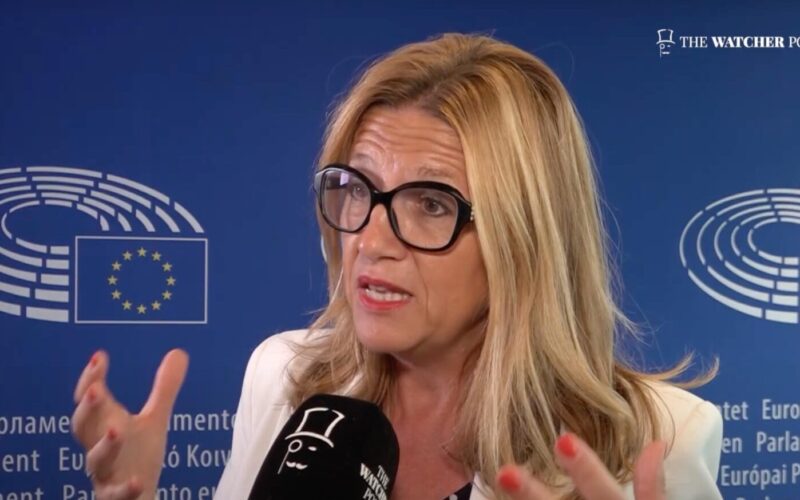
Greens and Renew Europe – although criticizing her recent deal with Trump – welcomed the speech but warned that words must translate into concrete action, particularly on energy independence and democratic safeguards.
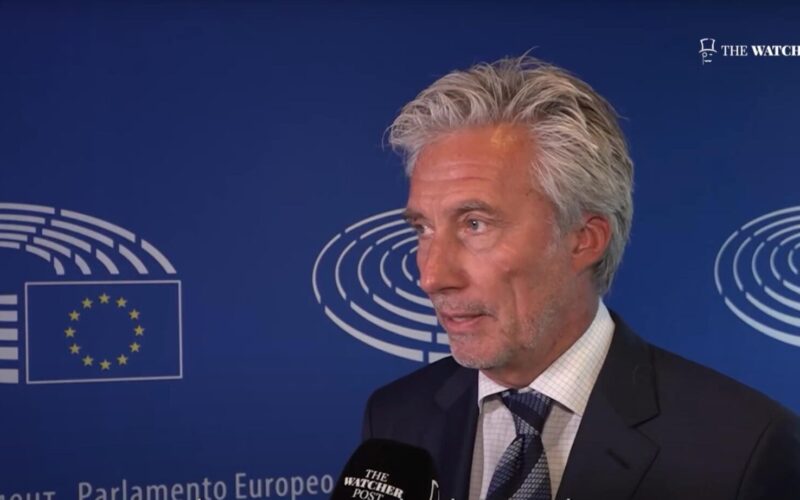
The Left and PfE were far harsher, voicing concerns over trade deals and industrial protection and questioning whether Europe is truly defending its industries and workers effectively. Both parties stood firmly against the President, going as far as to demand von der Leyen’s resignation.
Representing the Council, Denmark’s European Affairs Minister Marie Bjerre welcomed the speech as aligned with the presidency’s priorities, stressing European solutions on defense, and competitiveness.
Takaways
Von der Leyen’s address leaned heavily on industry, tech, and defense, with noticeably less attention on environmental and climate leadership.
The debate that followed underlined a familiar reality: the Parliament remains deeply polarized.
Von der Leyen underscored Europe’s urgent need to act, and stressed that only a united, pro-European centrist majority can deliver real progress. Yet, the risk of division in the Parliament could threaten the realization of her ambitious agenda.
Related posts

by Paolo Bozzacchi | 28 November 2025
OPINION – Brexit proves the UK was better off in the EU
by Arianna De Stefani | 28 November 2025
Digital safety for kids takes EU floor